Every time in history a barrier to knowledge falls, the people who built their whole identity around that barrier get exposed. The printing press ended the monopoly scribes had over books. The steam engine ended the need for manual, local labor. Each time, the people who spent their whole life mastering the old way were the last ones to see it coming.
And we are at that exact moment again. But this time the barrier falling is not distance or access to information.
It is the cost of learning itself.
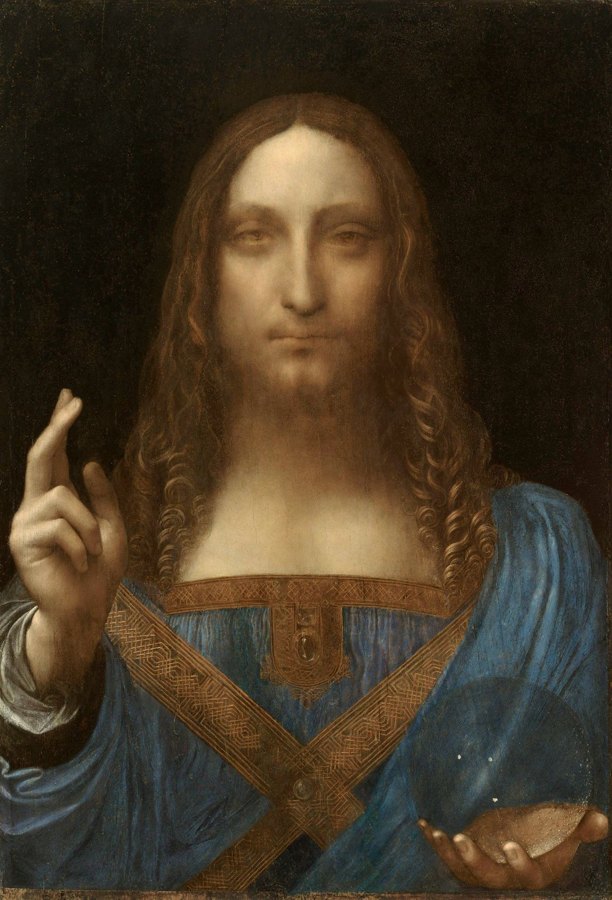
Look at Leonardo da Vinci. He was not just "the painter." He cut open dead bodies to study how muscles moved under skin, going full anatomist mode. He designed war machines for Cesare Borgia. He studied how water carves rock. None of this was a side hobby. It all fed into the paintings that made him famous. The Mona Lisa's smile works because he understood facial muscles at a level no pure painter of his time did.
Vitruvius said the same thing a thousand years earlier. In his writings on architecture, he argued that an architect who only knows how to build is not really an architect. He needs geometry to plan proportion, he needs history to avoid repeating failed designs, he needs medicine to understand how buildings affect the people inside them. Someone who only knows bricklaying is a tradesman, not an architect.
Then knowledge got expensive again.
For centuries, learning something new took real years out of your life. Schools optimized for one thing: build a narrow expert as fast as possible, because factories and hospitals needed millions of narrow experts to keep the system running. Specialization was not a philosophy. It was just the smart move when learning was slow and expensive.
That is not true anymore. What used to take years now takes weeks for anyone willing to sit down and do the work. Legal systems, financial models, software, biology, art, music, marketing, finance, culture, humor. All of it is one search away from someone with real curiosity.
The learning curve did not just get shorter. It collapsed.
This is where the hyperspecialist gets exposed, the same way the scribe got exposed by the printing press.
Here is the part people get wrong. The lazy version of this idea says specialists are done, replaced.
That is false.
A surgeon's twenty years of practice still matter more than someone who read about surgery for a month. The real danger is not the knowledge. It is the mindset that comes with it. Spend fifteen years being the best at one thing and it becomes easy to believe you have already arrived. That belief feels safe. It is actually the trap.
The specialist who keeps learning does not lose his edge. He multiplies it. He becomes the surgeon who also understands the AI reading the scans, so he catches what it misses instead of blindly trusting it. He becomes the lawyer who understands how contract software actually works, so he is the one checking the machine instead of getting replaced by it.
Da Vinci did not paint worse because he studied anatomy. Each thing he learned made the other things sharper.
The one in real danger is the specialist who stops. Not because his skill lost value, but because he stopped updating how he uses it. He is still solving last decade's problem while the problem already moved.
So the real question is not whether you specialize or not. That is the wrong fight. The real question is simpler.
Are you still curious?
Are you still willing to feel like a beginner at something, on purpose?
The people who say yes keep compounding. The people who say no are going to watch their own expertise stop being enough, and wonder why.
The barrier just fell. The scribes did not see it coming.
Don't make the same mistake. Place your chips before everyone else.